piston-engines.mechanics.im
Sixteen horsepower, and then the engine grew hot
NASA says the Wright brothers used a gasoline-powered, four-stroke, internal combustion engine to power their aircraft, and that the design was based on early automobile engines which used the Otto cycle, developed by Dr N. A. Otto in 1876. Of that 1903 motor, the same official pages give a small, vivid figure: about 16 horsepower when the engine was first started, and about 12 horsepower when it was running hot.
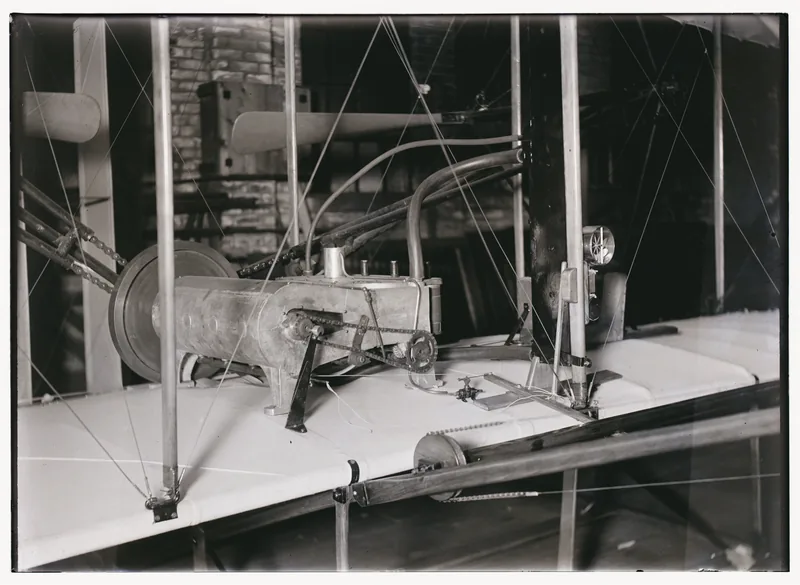
A desk of piston-engine stories
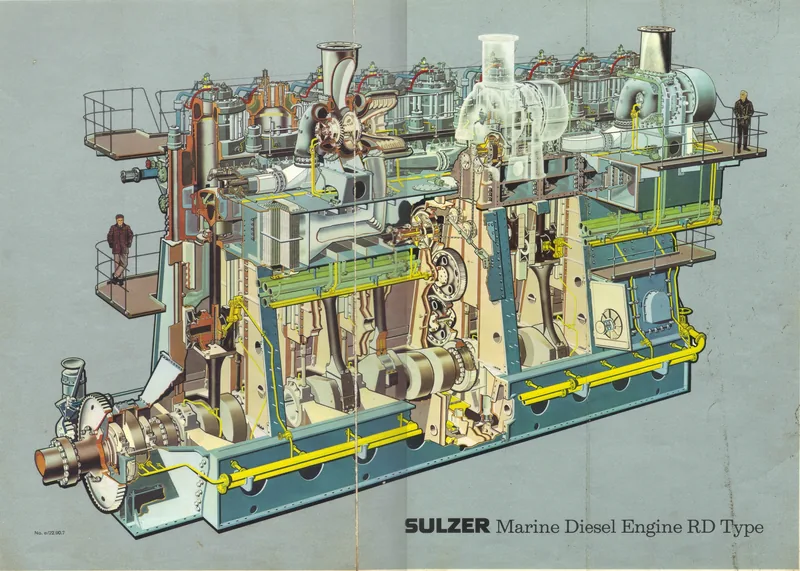
Pick a story. The Wright engine that made about 16 horsepower, then about 12 when it was running hot; Otto’s cycle of 1876; and a Diesel engine that, a 1911 encyclopaedia said, got its power impulse without explosion.
In an internal combustion engine, NASA writes, “fuel and air are ignited inside a cylinder. The hot exhaust gas pushes a piston in the cylinder which is connected to a crankshaft to produce power.” The engine is called a four-stroke engine “because there are four movements (strokes) of the piston during one cycle.” [source]
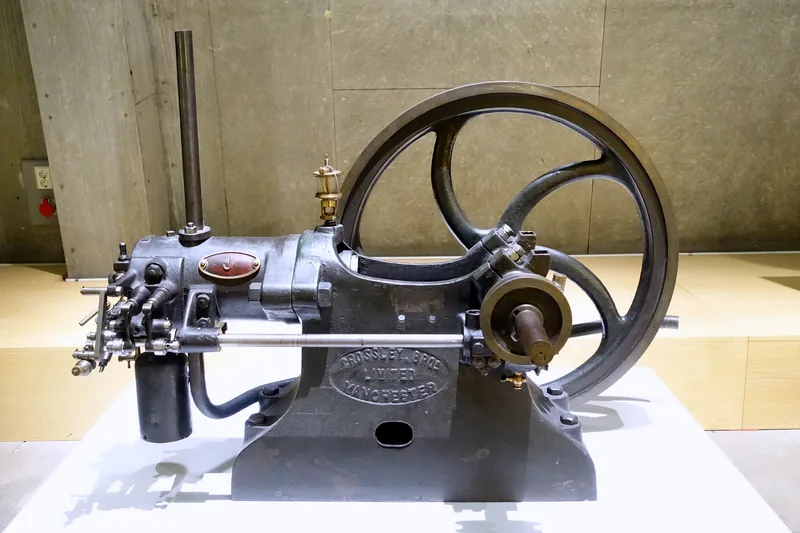
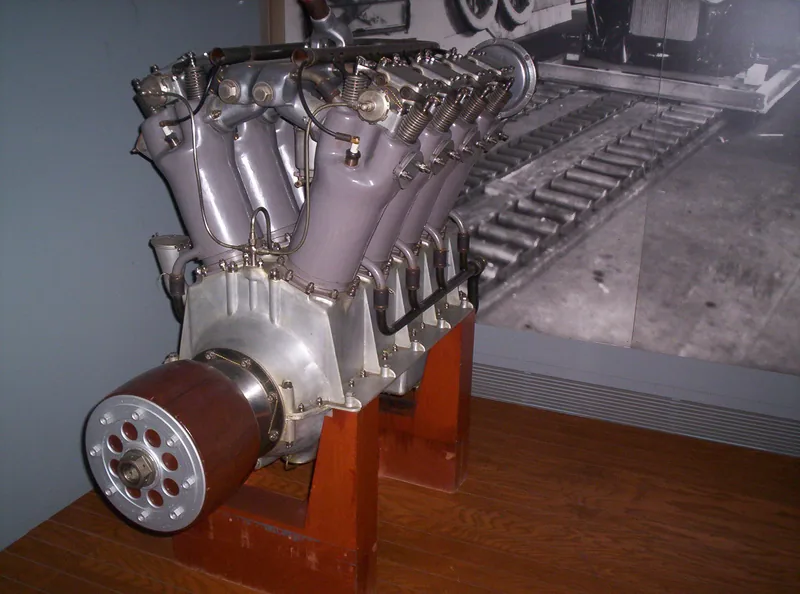
A generation before the Flyer, Otto’s cycle had already reached the workshop floor. The engine in the photograph is a Crossley Brothers coal-gas engine based on Otto’s design, object TM7415 at the Tekniska museet — a later machine, not the 1876 prototype, but it still shows the family of four-stroke gas engines that grew from that year.
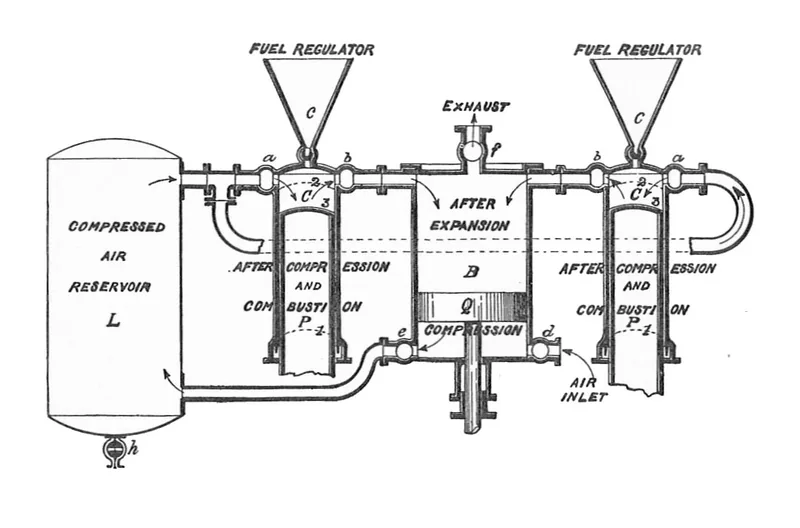
Diesel’s engine, as Dugald Clerk described it in the 1911 Encyclopaedia Britannica, took a stranger path. Air alone was drawn in and compressed “generally to over 400 ℔ per sq. in.” That compression “raises the air to incandescence,” oil is injected, and “the oil ignites at once as it enters the combustion space, and so a power impulse is obtained, but without explosion.” [source]
Two kinds of engine, in official wording
The U.S. Department of Energy says there are two kinds of internal combustion engines currently in production: the spark ignition gasoline engine and the compression ignition diesel engine. The two columns keep that page’s wording.
| Spark ignition (gasoline) | Compression ignition (diesel) | |
|---|---|---|
| What is inducted | Fuel is mixed with air and then inducted into the cylinder during the intake process. | Only air is inducted into the engine and then compressed. |
| How it ignites | After the piston compresses the fuel-air mixture, the spark ignites it, causing combustion. | The engine sprays the fuel into the hot compressed air at a suitable, measured rate, causing it to ignite. |
| The shove | The expansion of the combustion gases pushes the piston during the power stroke. | The same official page describes combustion after that measured spray of fuel into hot air. |
The Department of Energy groups “combustion and power stroke” as one of four processes. NASA names four piston strokes — intake, compression, power, exhaust — and treats combustion as a rapid event at the start of the power stroke. Those two official groupings are kept apart. The figure notes live on the sources and field-notes pages.
Enjoyed this piston-engine desk?
No pop-ups. No intrusive advertising. Just interesting stuff. A little support helps the next mechanics.im site get built.